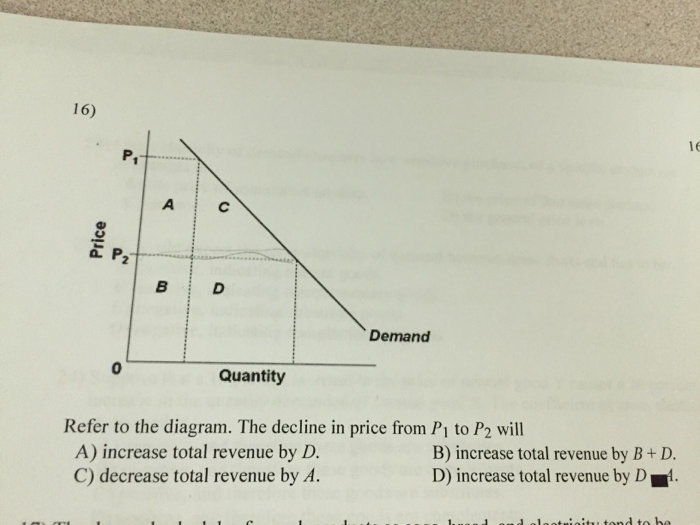
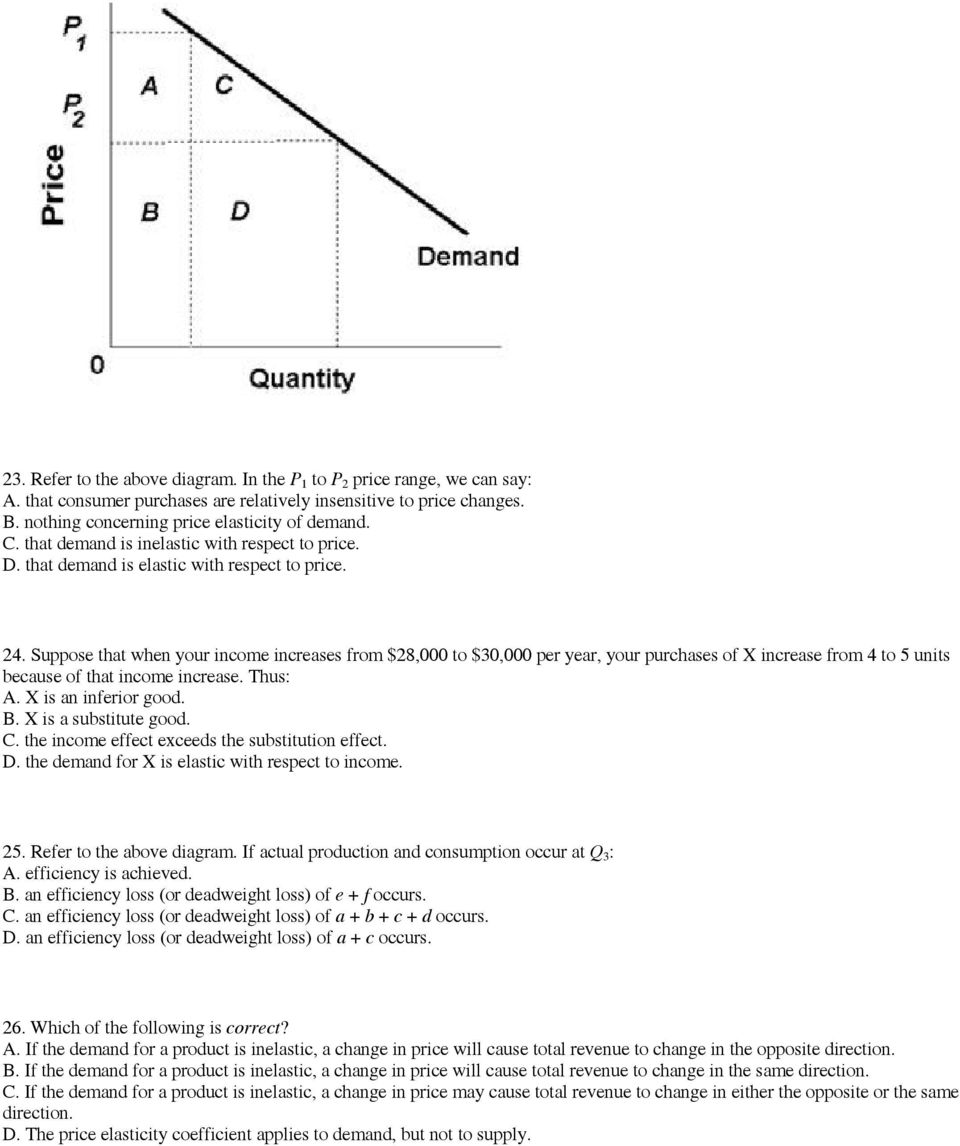
fer to the diagram. in the p1 to p2 price range, we can say
Refer to the above diagram. In the P1 to P2 price range, we can say A. that consumer purchases are relatively insensitive to price changes B. nothing concerning price elasticity of demand. C. that demand is inelastic with respect to price. D. that demand is; Question: Refer to the above diagram. In the P1 to P2 price range, we can say A. that ...
To name polynomials, we will use the function notation such as p ( x) or q ( x ). Thus we can write p ( x) = x5 − 2 x3 + 8 x + 3, or q ( x) = x4 − x2 + 1. This enables us to conveniently substitute values of x when required. where an ≠ 0 and n is a whole number. The coefficients are, in general, real numbers.
Refer to the diagram. In the P1 to P2 price range, we can say A) that consumer purchases are relatively insensitive to price changes. B) nothing concerning price elasticity of demand. C) that demand is inelastic with respect to price. D) that demand is elastic with respect to price.
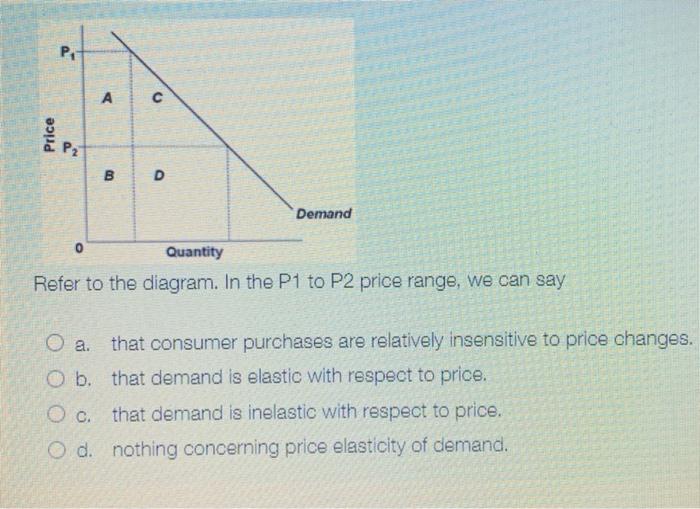
Refer to the diagram. in the p1 to p2 price range, we can say
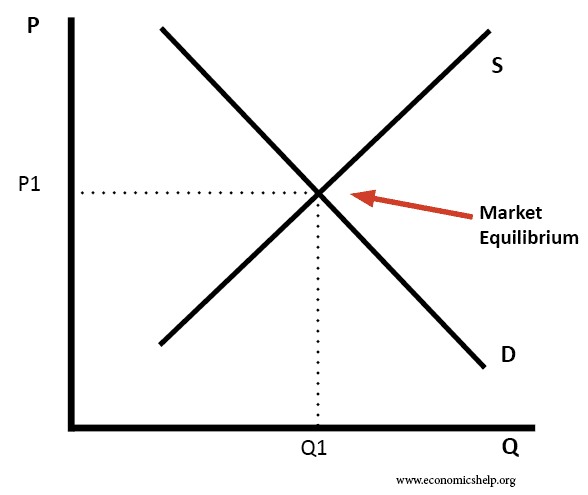
Key points. There is a four-step process that allows us to predict how an event will affect the equilibrium price and quantity using the supply and demand framework. Step one: draw a market model (a supply curve and a demand curve) representing the situation before the economic event took place.
Calculating Price Elasticity of Demand: An Example. Let's say that we wish to determine the price elasticity of demand when the price of something changes from $100 to $80 and the demand in terms of quantity changes from 1000 units per month to 2500 units per month.
21. Refer to the above diagram. If price is reduced from P1 to P2, total revenue will: A) increase by A minus C. C) decrease by A minus C. ... in the 0P1 price range. D) only at price P2 . C . 36. Refer to the above diagram. ... If the firm in the above diagram lowers price from P1 to P2, it will: A) lose P1P 2ba in revenue from the price cut ...
Refer to the diagram. in the p1 to p2 price range, we can say.
Refer to the above diagram. If price falls from P1 to P2, total revenue will become area(s): A. B+D. Refer to the above diagram. ... D. increase total revenue by D-A. Refer to the above diagram. In the P1 to P2 price range, we can say: D. that demand is elastic with respect to price. The demand schedules for such products as eggs, bread, and ...
Whereas the own-price elasticity of demand measures the responsiveness of quantity to a goods own price, cross-price elasticity of demand shows us how quantity demand responds to changes in the price of related goods. Whereas before we could ignore positives and negatives with elasticities, with cross-price, this matters.
Od nothing concerning price elasticity of demand. Question: PA A с Price P B D Demand Quantity Refer to the diagram. In the P1 to P2 price range, we can say that consumer purchases are relatively insensitive to price changes. O b. that demand is elastic with respect to price. Oc. that demand is inelastic with respect to price.
in quantity demanded due to a change in price is . large. An . inelastic. demand is one in which the change in quantity demanded due to a change in price is . small. The formula used here for computing elasticity . of demand is: (Q1 – Q2) / (Q1 + Q2) (P1 – P2) / (P1 + P2) If the formula creates an . absolute value. greater than 1, the ...
35) Refer to the diagram. In the P1 to P2 price range, we can say: A) nothing concerning price elasticity of demand. B) that consumer purchases are relatively insensitive to price changes. C) that demand is inelastic with respect to price. D) that demand is elastic with respect to price.
Solved pa a с price p b d demand quantity refer to the ...

Econ6tutes24.pdf - 70 award 1.00 point refer to the diagram ...
Problem set #2 suggested solutions
In economics, what is the difference between a movement along ...
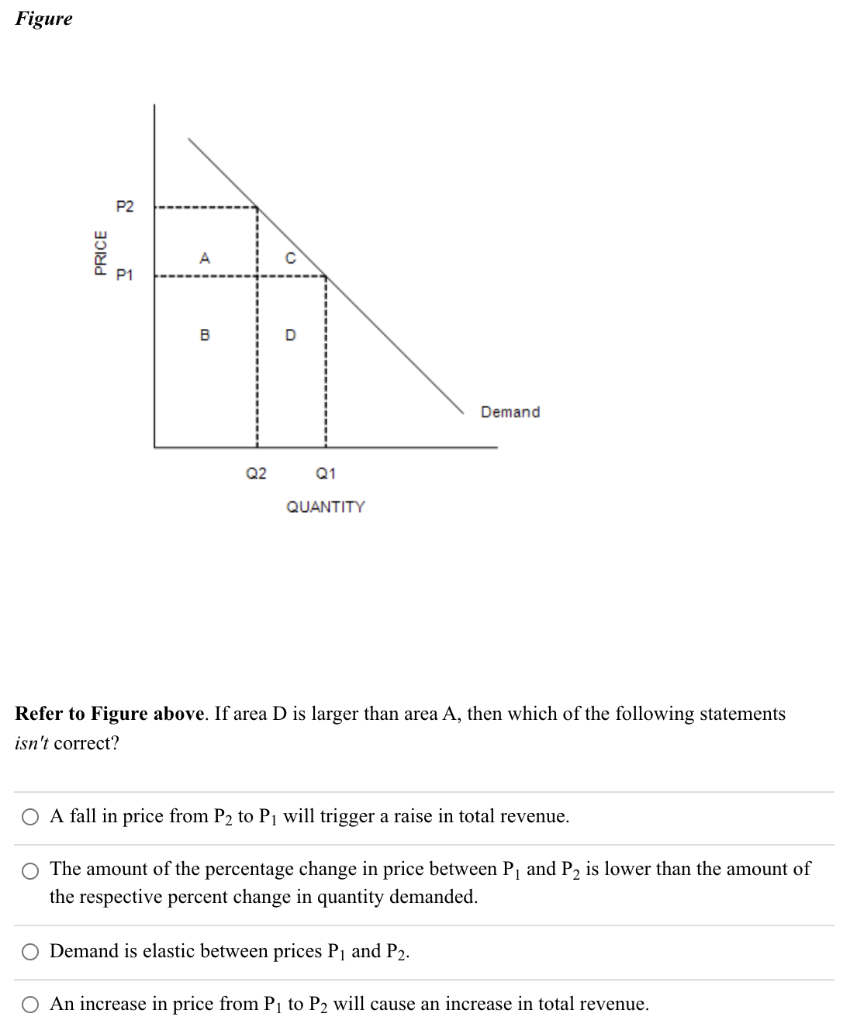
Solved figure p2 price а с b d demand q2 q1 quantity refer ...

Econ chapter 6 study guide flashcards | quizlet
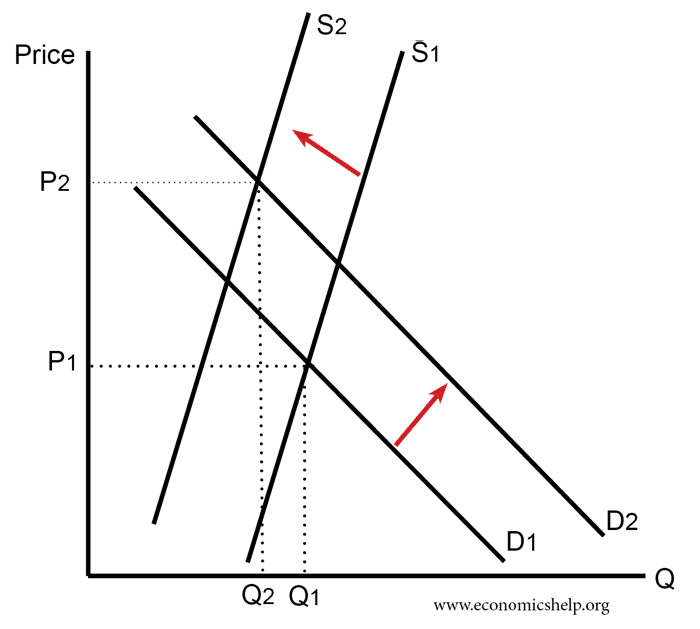
Diagrams for supply and demand - economics help
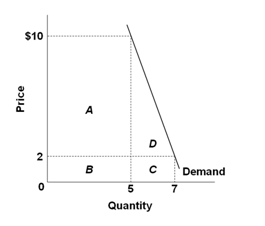
Econ module 4 flashcards | chegg.com

Pdf) light and photosynthesis in seagrass meadows
Bagaimana cara menemukan jarak terpendek antara dua garis ...
Market equilibrium - economics help
Solved refer to the diagram. the decline in price from p1 to ...
Processes | free full-text | how to tackle underdeterminacy ...

Econ final flashcards | quizlet

Chapter 5 quiz micro flashcards | quizlet

Econ6tutes23.pdf - 68 award 1.00 point refer to the diagram ...

Econ6tutes20.pdf - 59 award 1.00 point refer to the diagram ...

Law of demand - wikipedia

Price changes and producer surplus | tutor2u
The slope of the tangent line to y = f(x) at (c,f(c ...

Pipes and pipe sizing | spirax sarco

Econ&201 - chapter 6 flashcards | quizlet
/law_of_demand_chart2-5a33e7fc7c394604977f540064b8e404.png)
Law of demand definition: basic economics

Econ&201 - chapter 6 flashcards | quizlet
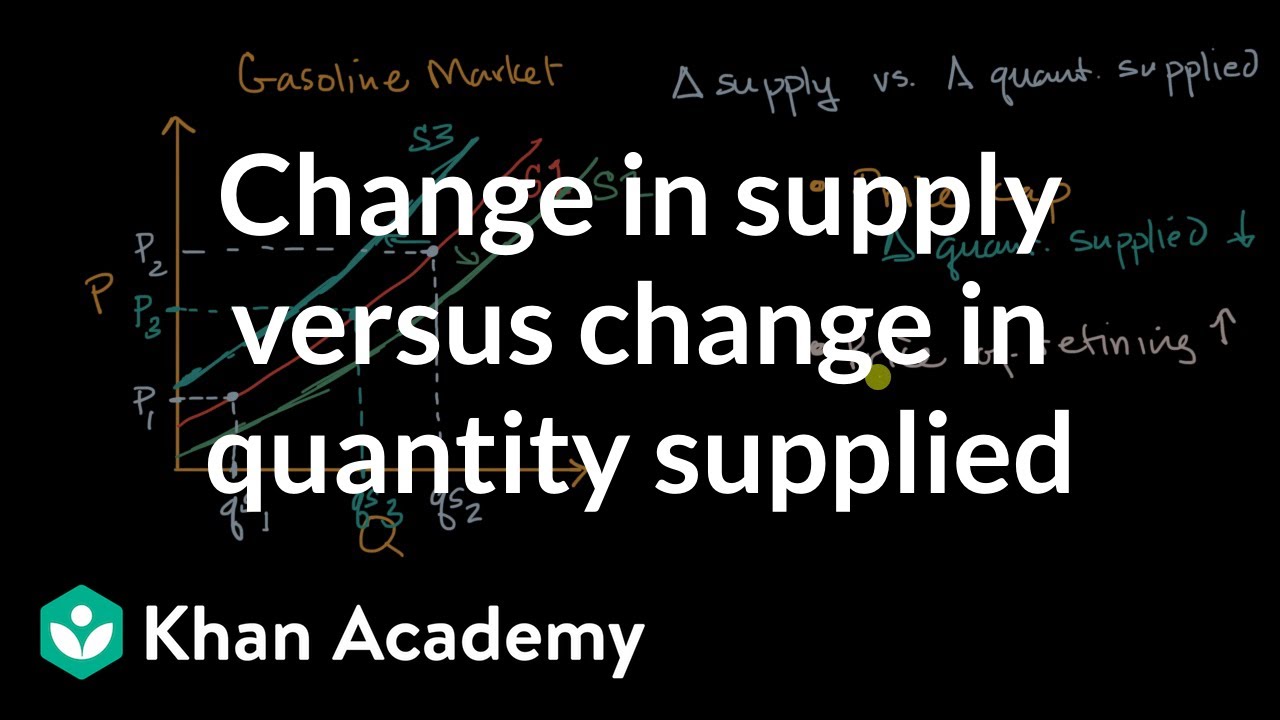
Change in supply versus change in quantity supplied

Price changes and producer surplus | tutor2u

Ch 35 & 35 practice suppose the full employment level of real
Pre-test chapter 18 ed17 - pdf free download
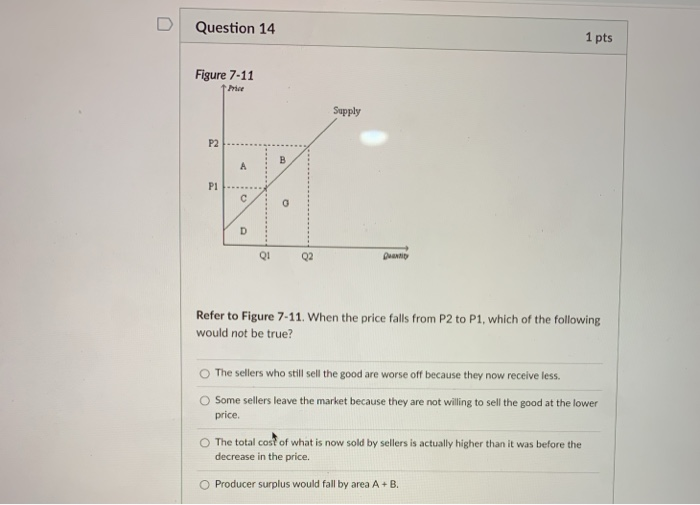
Solved question 14 1 pts figure 7-11 price supply p2 a p1 с ...
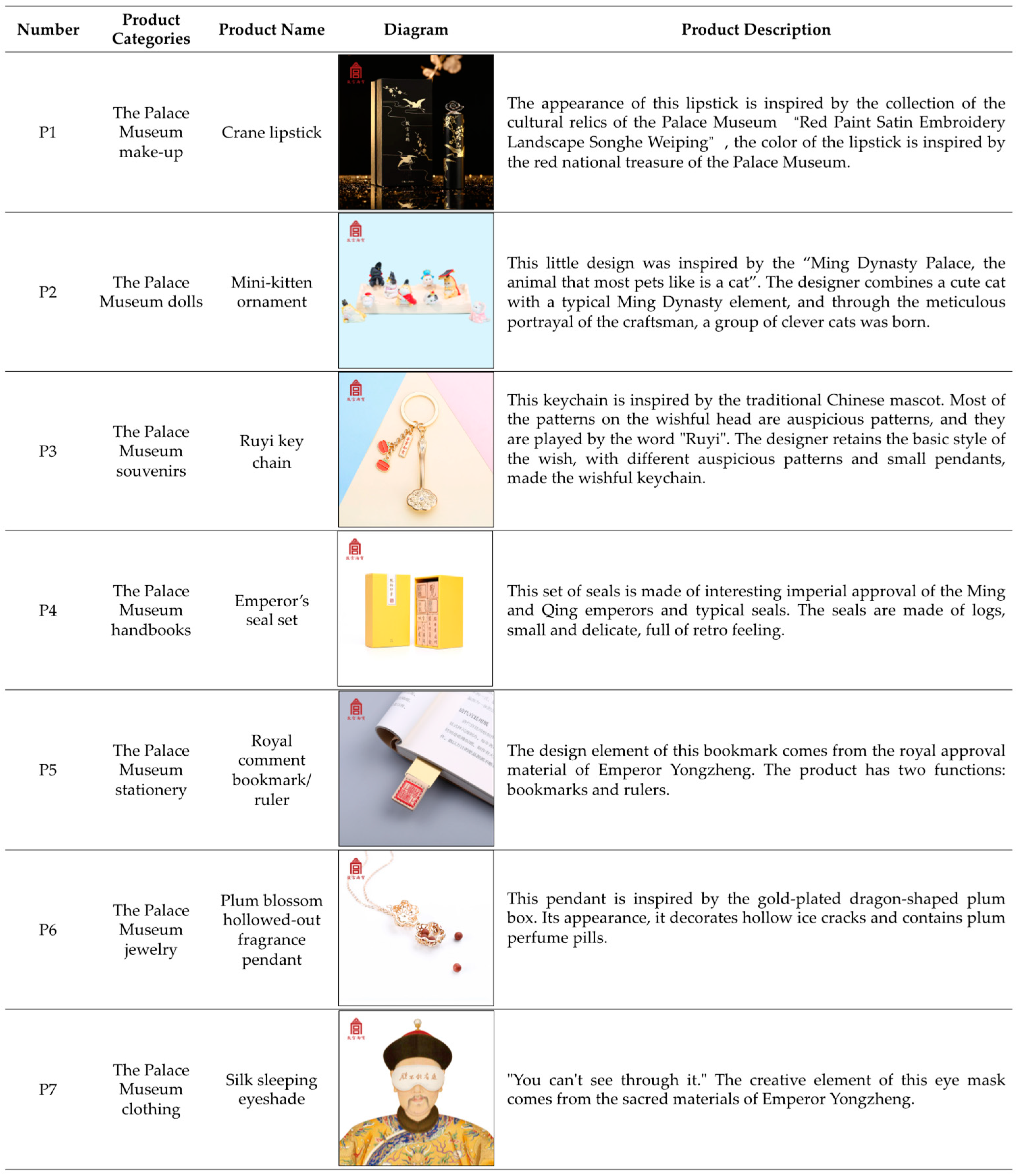
Sustainability | free full-text | a study on consumers ...

Refer to the graphs above. which demand curve is relatively ...
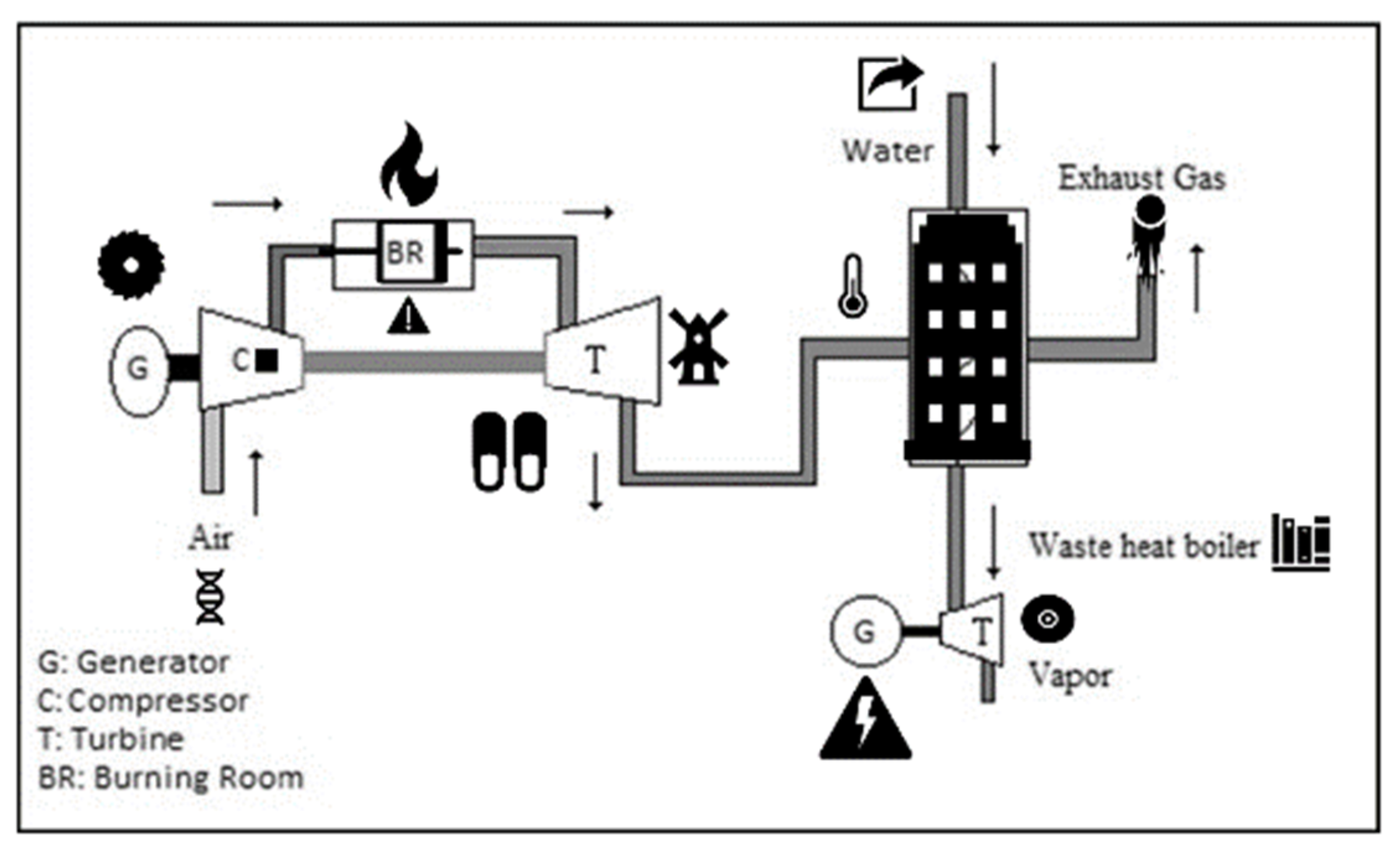
Mathematics | free full-text | staff task-based shift ...

Solved if rectangle d is larger than rectangle a, | chegg.com
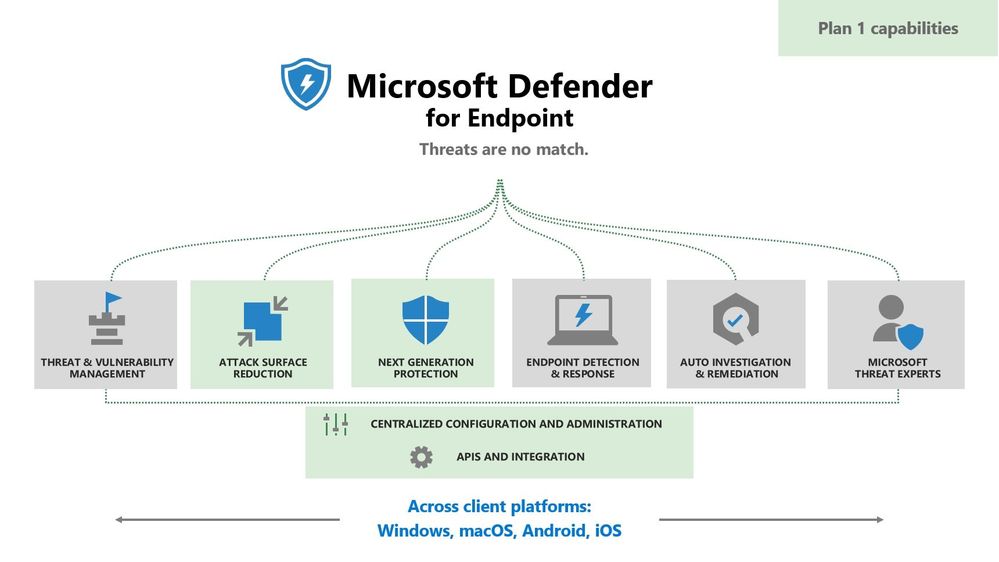
Introducing microsoft defender for endpoint plan 1 ...
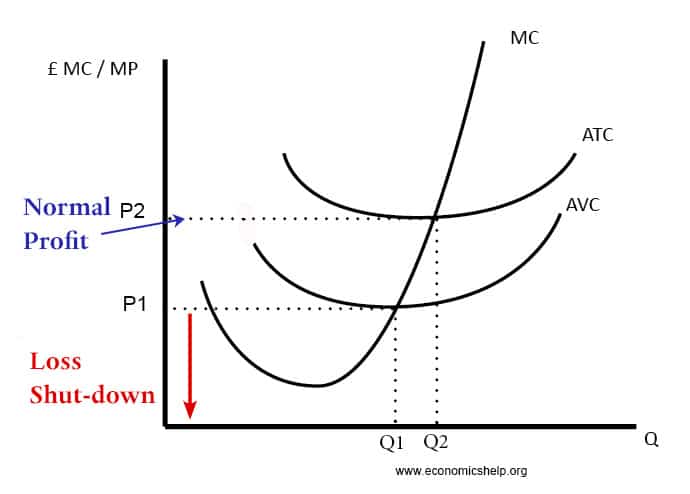
Shut down price - economics help
0 Response to "fer to the diagram. in the p1 to p2 price range, we can say"
Post a Comment